
Delivering on the promise of RNA therapeutics
SiSaf is a biomaterials company that has developed Bio-Courier® technology, a proprietary delivery platform that solves the problem that defeats most molecules: getting them into the right cells, intact, without toxicity.
Bio-Courier® technology can be licensed and will soon be available as a research reagent.
We are headquartered in Guildford, England with fully integrated state-of-the-art research labs, pilot manufacturing and bioanalytical facilities.

SiSaf is a biomaterials company that has developed Bio-Courier® technology, a proprietary delivery platform that solves the problem that defeats most molecules — getting them into the right cells, intact, without toxicity.
Bio-Courier® technology can be licensed and will soon be available as a research reagent.
We are headquartered in Guildford, England with fully integrated state-of-the-art research labs, pilot manufacturing and bioanalytical facilities.
Our Enabling Technology
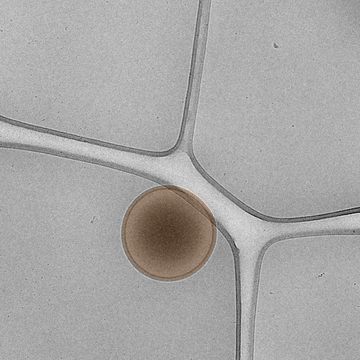
Unlike conventional lipid nanoparticles, Bio-Courier particles can be manufactured empty and loaded with the RNA later, at the desired point and time of use.
Not only does this enable local manufacturing but there is no need for an ultra-cold supply chain.
- LIPIDS Promote endosomal escape and cell entry
- SILICON MATRIX Highly ordered porous structure with exceptional mechanical integrity
- RNA PAYLOAD Electrostatically bound and stabilised RNA enables efficient transfection


Research Reagent
Launching soon
Bio-Courier® technology will soon be available as a research reagent.
One reagent for in vitro and in vivo
Unlike other reagents, the same chemistry is used at the bench and in animal studies, with no reformulation between them.
Better payload decisions
Transfection reagents often compromise cell viability, introducing biological noise. Bio‑Courier® TL keeps cells viable, so what the assay measures is the payload. And because the same chemistry takes that payload into animal studies, it can be evaluated in vivo without the confounding effects introduced by a different carrier chemistry.
Research Reagent
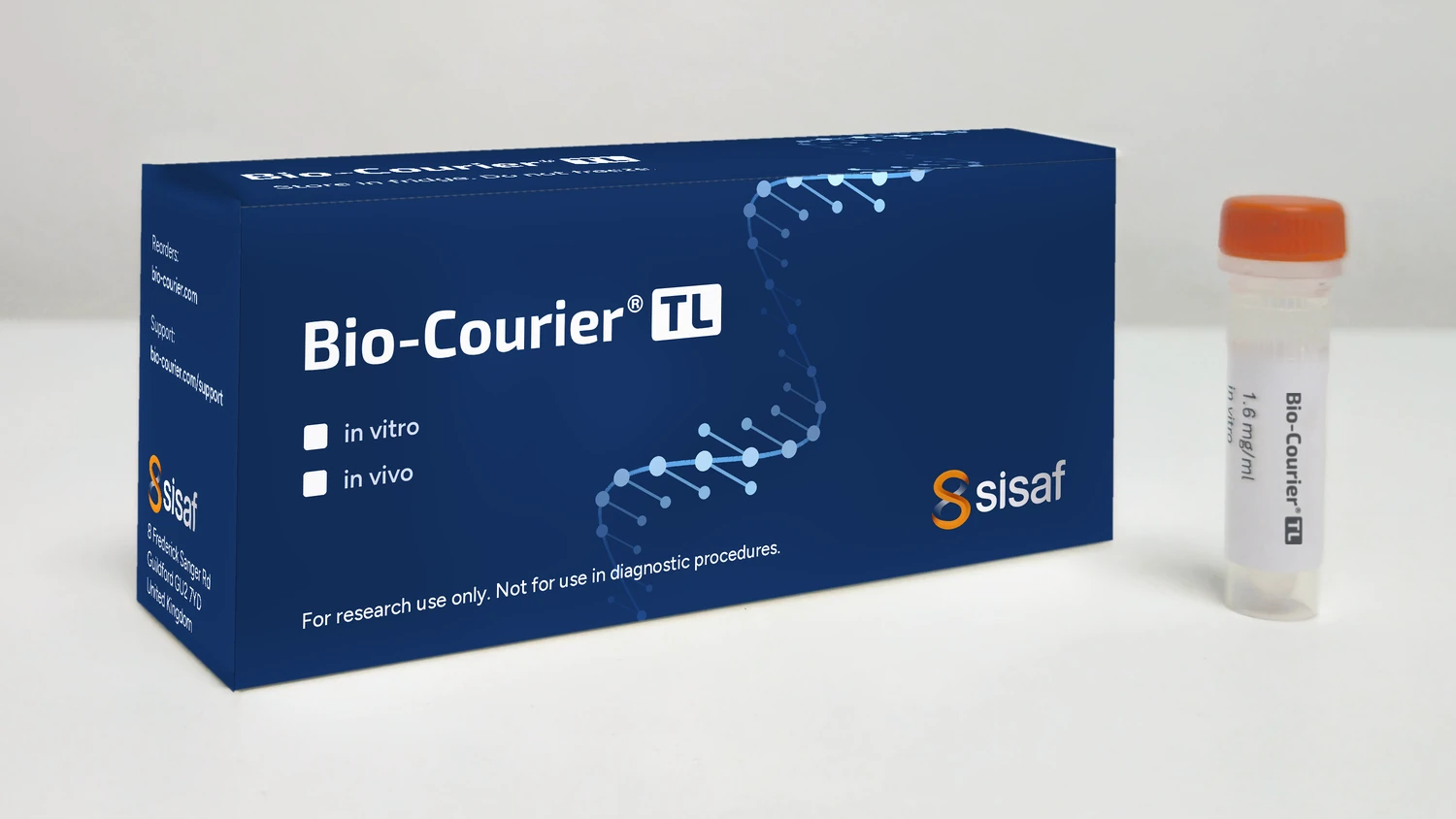
Launching soon
Bio-Courier® technology will soon be available as a research reagent.
One reagent for in vitro and in vivo
Unlike other reagents, the same chemistry is used at the bench and in animal studies, with no reformulation between them.
Better payload decisions
Transfection reagents often compromise cell viability, introducing biological noise. Bio‑Courier® TL keeps cells viable, so what the assay measures is the payload. And because the same chemistry takes that payload into animal studies, it can be evaluated in vivo without the confounding effects introduced by a different carrier chemistry.
Our Partnering Assets
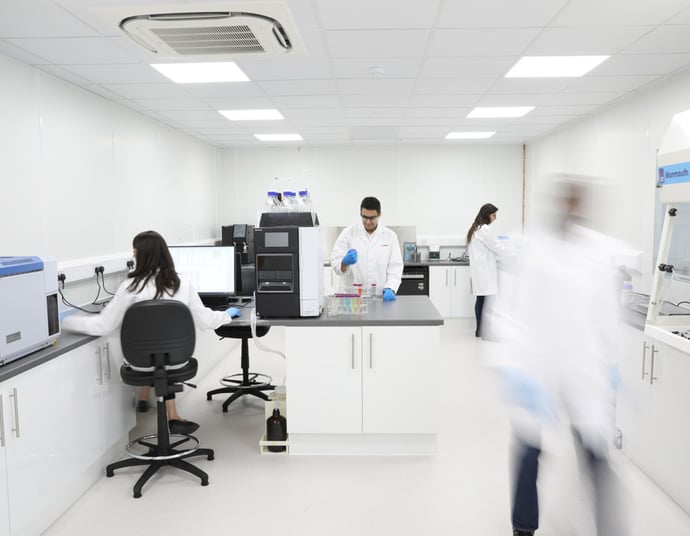
SiSaf is utilizing the capabilities of Bio-Courier® technology to develop therapeutics for partnering.
miRNA for Solid Tumors
A novel miRNA-based treatment approach for solid tumors, with pancreatic ductal adenocarcinoma being the initial indication. In vivo efficacy has been demonstrated and independently validated.
siRNA for Osteopetrosis
A siRNA-based therapy for autosomal dominant Osteopetrosis Type II, a rare skeletal disease also known as marble bone disease. Orphan Drug and Rare Pediatric Disease designations granted; pre-IND complete.
siRNA for Achondroplasia
A siRNA-based therapy for achondroplasia, the most common form of short-limbed dwarfism, delivered to bone and cartilage. In vivo efficacy has been demonstrated in a disease model.

